

Located in Thi Nai Lagoon, Con Chim Ecological Area covers around 480 hectares of mangrove forest and is known for its rich ecosystem supporting aquatic species, resident birds and migratory wildlife.

Rare Asian openbills seen in the Con Chim mangrove forest have attracted attention from local residents and researchers. Some of the birds are still staying in the area.

Local resident Tran Duc Duy said only a few Asian openbills had been seen in the area several years ago, but their numbers had increased noticeably in recent times, reflecting improving environmental conditions in the wetland.


Besides the rare birds, Con Chim is also known for thousands of white storks gathering in the mangrove forest at sunrise and sunset.

Truong Xuan Dua, head of the Agricultural Technical Research and Application Station under the provincial Agricultural Extension Centre, said the mangrove forest played an important role in biodiversity conservation, climate regulation and coastal protection.

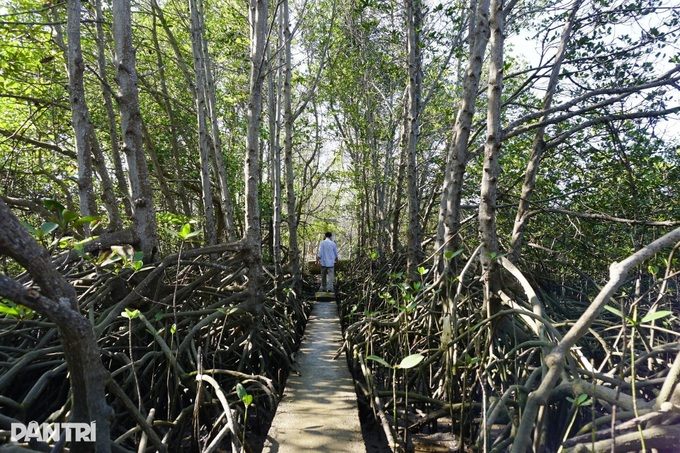
The wetland also supports local livelihoods through fisheries and community-based tourism, he added.

Cormorants are among the bird species commonly found in the area due to abundant fish and shrimp resources, while decades-old mangrove trees help shield local communities from storms and erosion.

White mangrove trees aged 30 to 40 years help regulate the climate, provide shelter for birds and marine life, and protect the Con Chim hamlet from storms and natural disasters.

Con Chim in Tuy Phuoc Dong Commune is located about 18 kilometres from central Quy Nhon via National Highway 19 (Photo: Google Maps).