
illustrative image
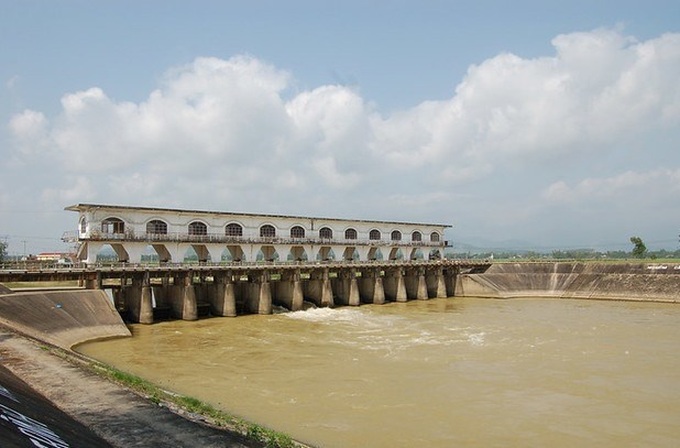
Danang Water Supply JSC asked Danang authorities to work with Quang Nam provincial authorities over the project so that it will not affect the city's water sources.
Le Tri Thanh, vice chairman of Quang Nam Province People's Committee, said on May 26 that they had surveyed the scene where the incinerator will be built. The incinerator will have the capacity to deal with 240 tonnes of rubbish per day. According to Thanh, the new technology is suitable for Vietnam's situation and has been approved by the Ministry of Science and Technology.
The waste treatment processes will be contained inside the plant. They will build a trench around the plant so that even when it rains, the water will not run in or out of the plant. Moreover, there is a system to dry waste so only a small amount of wastewater will be sent into the tanks. The treated wastewater will be used to cool the equipment.
"It is estimated that about 65 cubic metres of wastewater will not be discharged but reused. That's why the plant will not be able to pollute Yen River. Even if there is discharged water, due to the terrain, the wastewater will end up at Muoi Tan Dam which is 1,200 metres away instead of Yen River," Thanh said.
He went on to say that Quang Nam has always created favourable conditions for Danang in terms of water resources. Danang authorities should go to the location and determine for themselves whether the plant will pollute the city's water resources or not.
The waste incinerator project in Dai Nghia Commune was approved and assigned to the investor Urenco Quang Nam Company. It will cover 7 hectares and cost VND100bn (USD4,300).