
“Alternative solutions to conventional livestock and feed sources urgently need to be found,” the report said. Yet in Western countries, people tend to view eating insects “with disgust”.
“Western societies require tailored media communication strategies and educational programmes that address that disgust factor,” the report continued, adding that such cultural aversion has meant insects have been neglected in agricultural research.
Still, high demand and prices for fishmeal and soy, along with an increase in fish farming, has stoked some interest in developing insect protein for aquaculture and poultry.
“Insect-based feed products could have a similar market to fishmeal and soy,” the FAO noted.
The report went on to extoll insects’ nutritional virtues, saying they are a “highly nutritious and healthy food source with high fat, protein, vitamin, fibre and mineral content.”
Nor should insects be seen as ‘famine foods’, eaten only in times of scarcity, the Rome-based FAO said, adding, “many people around the world eat insects out of choice.”
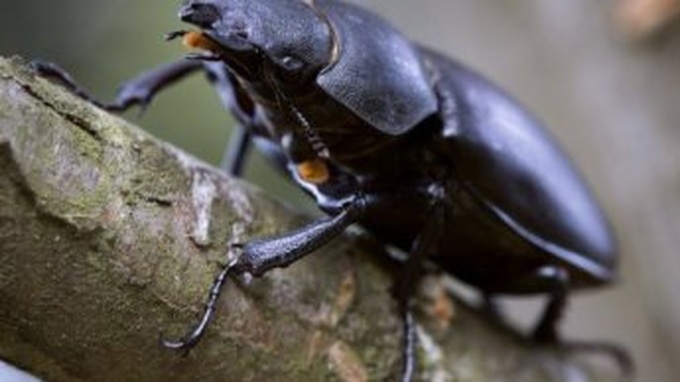
Globally, insects are part of the traditional diet of at least 2 billion people. Insects and beetles are the insects most commonly consumed by humans around the world, followed by caterpillars, bees, wasps and ants.
Insects can be an environmentally-friendly source of nutrition as they are highly efficient at turning the food they eat into protein, and often can be reared on waste products, the report concluded.