
Petroleum traders continue to complain over losses although oil and petrol prices have been raised four times just since July 20.
They have said they now suffer from a loss of between VND500-800 per litre of petrol or oil and that the support of the Petroleum Price Stabilisation Fund, with subsidies of VND500 per litre of petrol and VND300 per litre of oil is very modest. For this reason, they say, they are considering another price increase in the days to come.
"Approval for the price increase is coming too late for our proposal. Losses are mounting while we wait, even though we have only proposed an increase of less than half of what has been recommended. Support from the Petroleum Price Stabalisation Fund is just insufficient," said a representative from SaigonPetro.
Traders proposed an increase of VND1,200 per litre of petrol on August 23. However as of August 28, the Ministry of Finance approved a rise of only VND650 per litre.
Le Thanh Man, Deputy Director of Dong Thap Petroleum Trading Import Export Company Limited (Petimex), said at the time of the price hike proposal, his company incurred losses of around VND1,000 per litre of petrol, but over the past ten days, the loss has climbed to VND2,000 per litre of petrol and VND1,500 per litre of diesel.
They argue that an rise of VND650 per litre of petrol and VND300 per litre of diesel would only make up for 43% of the firm’s losses for petrol and 33% for diesel.
A representative from a petroleum wholesaler said, petroleum importers have been facing price squeeze from foreign partners during this week, since Dung Quat Oil Refinery has halted operation for repair. Meanwhile, the Ministry of Finance’s regulated insurance and transport surcharges for oil and petrol is just USD2.5-3 per barrel, compared to the real figure of USD7-8 that importers had to spend during the time of Dung Quat Oil Refinery’s suspension.
Selling less to reduce losses
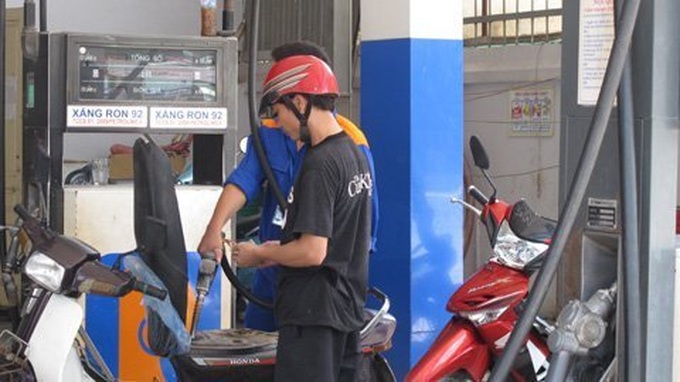
After the petrol price increase on August 28, many retailers complained that they have been having difficulties in getting shipments from wholesalers, who would rather wait for the price to rise than sell at a loss. Many of the retailers rely on each other to keep the pumps flowing but this has only a stop-gap solution.
The owner of a petrol station in Hanoi said, since August 29, he has not been able to find adequate supply and has had to hang up signs saying they were out of petrol.
Many retail petrol stations have also used certain tactics to save money, such as reducing staff or keeping unusual business hours.
Despite the petrol price rise, the commissions given by petrol wholesalers to retailers has remained almost unchanged. SaigonPetro still offers a commission of VND300 per litre.
Meanwhile, transport fees account for up to VND150 per litre, a cost that hurts the retailers.
Retailers of Petrolimex were offered a commission rate of VND200 per litre of petrol and VND200 per litre of oil. PVOil’s commission is VND240 per litre of petrol and VND300 per litre of oil, however, with high transport fees from Haiphong to Hanoi, retailers are only able to make a profit of only VND80 per litre of oil and must take losses on petrol.